Dedicated Aged Brain Health Programs
Specialized elderly cognitive support services serve a critical function in assisting individuals facing memory challenges. These services provide customized treatment approaches and structured environments that improve psychological health. Qualified caregivers provide empathetic care, building relationships and participation. As loved ones look for the best options for their family members, grasping the features and benefits of these programs becomes vital. The journey of discovering the perfect match can result in transformative experiences for both elderly individuals and their relatives.
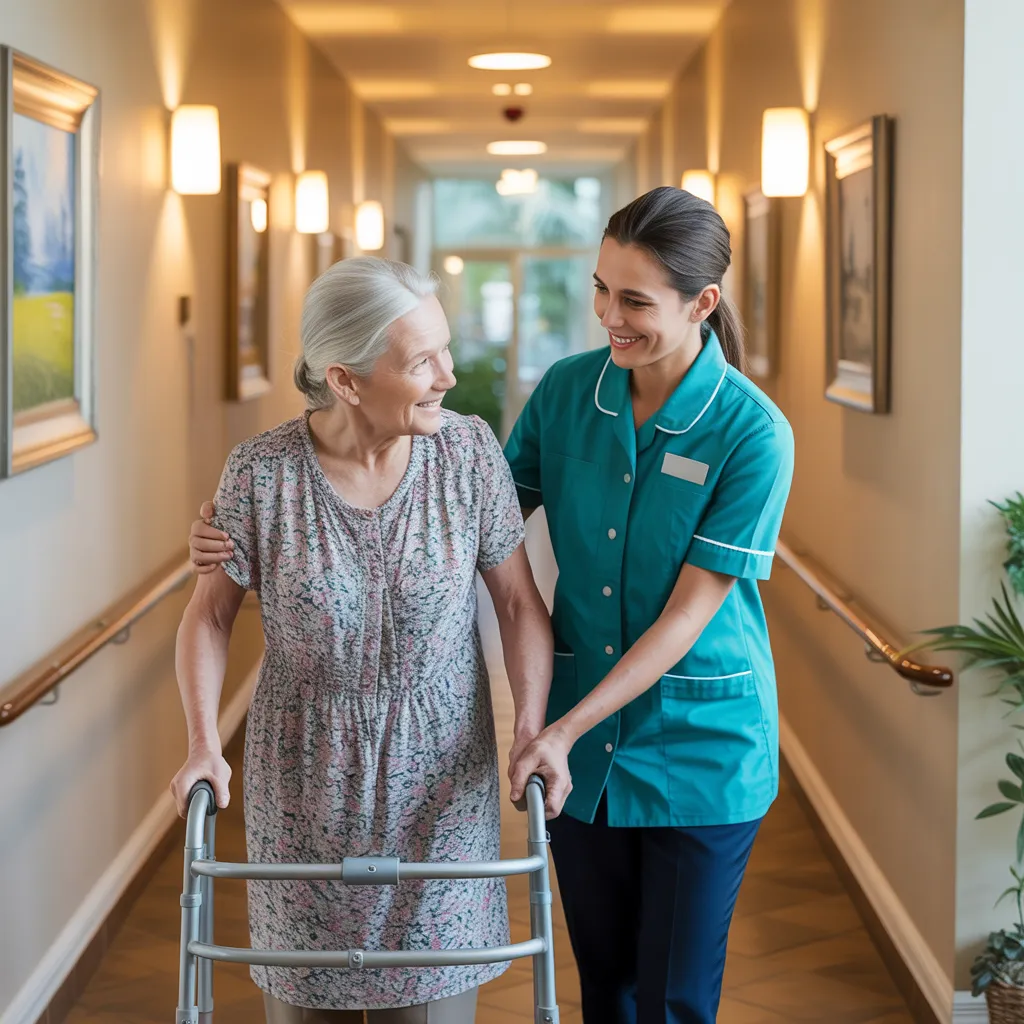
Tackling Forgetfulness: Learning About Alzheimer's Care
Managing cognitive challenges calls for a intricate insight of memory care, as it encompasses different plans tailored to individual needs. Memory care focuses on helping older people with brain function decline, such as Alzheimer's disease or other forms of cognitive disease. This specialized approach strives to construct a safe and regulated context that promotes autonomy while ensuring the health status of community members.
Effective memory care endeavors often provide personalized care strategies, stimulating activities, and therapeutic approaches designed to activate cognitive abilities. Caregivers undergo expert training to appreciate the complexities of memory deterioration and to communicate effectively with residents. Additionally, cultivating relational bonds and psychological support is essential in enhancing living standards for those affected. Overall, understanding memory care involves pinpointing the diverse challenges confronted by subjects with memory loss and the weight of tailored interventions to address those problems effectively.
Vital Attributes of Superior Memory Care Offerings
Effective memory care programs embed various critical elements that strengthen the quality of life for seniors. Personalized care plans are indispensable, as they address particular requirements and wishes. Additionally, an engaging activities schedule and trained staff expertise play significant roles in fostering a compassionate environment for residents.
Tailored Care Plans
Personalized care plans function as the cornerstone of effective memory care programs, tailoring support to the unique needs and preferences of each person. These plans are constructed through extensive assessments, which evaluate cognitive function, medical history, and personal interests. This individualized approach guarantees that caregivers can provide appropriate and purposeful support, raising the quality of life for residents. Regular reviews of these care plans allow for adjustments based on the individual's changing needs and progress. Additionally, involving family members in the planning process fosters collaborative relationships and promotes a holistic understanding of the resident's background and preferences. Ultimately, personalized care plans are vital in addressing the complexities of memory care, ensuring that each resident receives thoughtful and effective assistance.
Engaging Events Timetable
An engaging activities schedule is vital in fostering cognitive stimulation and social interaction within memory care programs. Such a schedule commonly contains a variety of activities tailored to the interests and abilities of participants. Choices may vary from music therapy and art classes to memory games and group discussions. Consistent exercise programs, like light workouts or nature walks, can also boost overall well-being. Furthermore, including sensory activities, such as gardening or cooking, can spark positive memories and stimulate participation. By focusing on both individual and group activities, these initiatives not only promote mental engagement
Professional Team Skills
Trained staff serve a vital role in the outcome of memory care programs, ensuring that residents receive the specialized support they need. Their expertise encompasses understanding various forms of dementia and proven communication strategies tailored to individual residents. Ongoing training in behavioral management techniques enhances their ability to address challenging situations with understanding and patience. Additionally, staff members are equipped to implement personalized care plans that focus on the unique needs and preferences of each individual. This specialized training fosters a safe and nurturing environment, promoting cognitive engagement and emotional well-being. Ultimately, the proficiency of trained staff not only improves the quality of care but also enriches the overall experience for residents, making them feel valued and understood.
How Customized Support Facilitates Treatment of Alzheimer's and Dementia
While many individuals with Alzheimer's and dementia encounter distinct obstacles, customized support can significantly improve their quality of life. Individualized care plans, developed based on personal needs and preferences, ensure that each person obtains the particular help that promotes their health and wellness. This approach not only addresses everyday tasks but also emphasizes psychological and mental support.
Involving individuals in recognizable and purposeful activities can enhance recall and foster a feeling of direction. Personal connections with caregivers, who comprehend the nuances of each resident's background, additionally strengthen emotions of safety and confidence. In addition, customized care can help decrease anxiety and agitation, common in those with memory impairments. By establishing a nurturing environment that respects individuality, advanced cognitive support initiatives enable residents to preserve dignity and enhance their general quality of life. Ultimately, tailored assistance plays a essential role in making life more easy to navigate and pleasant for those dealing with Alzheimer's and dementia.
Determining the Ideal Memory Care Program for Your Precious Relative?
Selecting the appropriate memory care program requires a rigorous assessment of the distinct requirements of your loved one. It is imperative to inspect the activities delivered through each program and how they align with those requirements. Additionally, considering the qualifications of the staff can serve as a significant component in ensuring quality care and aid.
Evaluate Personal Needs Initially
How can families ensure they choose the most appropriate memory care program for their family members? The initial stage involves a comprehensive assessment of personal requirements. Families should take into account the specific cognitive challenges their loved ones experience, as well as their bodily wellness, emotional state, and personal preferences. Comprehending the distinct mix of these factors can help with identifying a program that matches their loved one's requirements. Additionally, families should evaluate the level of care needed, including assistance with daily activities and any specialized medical support. Participating in open conversations with the loved one and consulting with healthcare professionals can better explain these needs, ensuring a more knowledgeable choice when selecting the appropriate memory care program.
Examine Program Options Presented
Assessing the activities offered by memory care programs is key to confirm they meet the needs and preferences of residents. Engaging activities can enhance cognitive function and promote social interaction, which helps improve overall quality of life. The programs should offer a variety of activities tailored to various cognitive levels, including arts and crafts, music therapy, and guided reminiscence sessions. Outdoor activities and physical exercises also play a critical role in promoting physical health and mobility. Furthermore, evaluating whether the activities encourage family involvement aids in strengthening connections between residents and their loved ones. In the end, a comprehensive schedule that balances both mental and physical engagement can greatly contribute to a resident's emotional well-being and fulfillment.
Consider Employee Credentials Carefully
relatives are under capable supervision, best-fit dementia care setting.
Memory Care Programs That Enhance Well-Being
Engaging in memory care activities can boost the quality of life of seniors facing cognitive challenges. These activities are designed to stimulate cognitive function, improve social engagement, and promote emotional well-being. Activities such as brain teasers, memory games, and reminiscence therapy encourage mental engagement and help strengthen neural connections. Art and music therapy provide expressive mediums, allowing seniors to express themselves and connect with their emotions.
Physical activities, like light movement or dancing classes, not only optimize mobility but also boost temperament and diminish anxiety. Gardening and nature walks can enhance sensory stimulation and generate a feeling of success. Group activities, such as tale sharing or food preparation workshops, advance community involvement, easing sense of loneliness. Ultimately, adapted memory wellness activities play an fundamental part in sustaining dignity and enhancing the quality of life for seniors, delivering them with impactful encounters that foster joy and kinship in their daily lives.
Family's Part in Helping Memory Services
Family members take on an important role in providing memory care assistance, as their commitment can substantially increase the well-being for seniors struggling with cognitive difficulties. By staying in regular contact, families help seniors remain connected, reducing sense of disconnection that commonly follow memory loss. Hands-on participation in care activities, such as providing assistance with daily activities and participating in therapy sessions, establishes a sense of safety and comfort.
In addition, loved ones' advocates can stand up for their cherished ones, confirming their desires and needs are met within memory care programs. Relating related content important narratives and valued recollections can encourage cognitive participation, making everyday interactions more rewarding. Recognizing the unique obstacles of cognitive impairment allows families to provide personalized care, forming a compassionate setting. All things considered, the emotional and practical contribution of relatives is paramount, as it not just enriches the elderly person's life but also strengthens family relationships across this demanding phase.
Transformative Achievement Stories From Memory Wellness Programs
The engagement of loved ones in memory care not only boosts the mental health of elderly individuals but also creates the foundation for remarkable transformations within memory care programs. In one compelling instance, a resident named Margaret, who manifested severe anxiety, went through a significant shift after her daughter began participating in daily activities. Their moments together nurtured a sense of reassurance, bringing about better interactions with staff and peers.
Correspondingly, a project in a local facility focused on personalized storytelling, permitting residents to recount their life experiences with family. This endeavor not only boosted seniors' confidence but also strengthened familial bonds, leading to observable improvements in mood and cognitive engagement.
These success stories exemplify that when families become involved in memory care, they construct an space that facilitates improvement and expansion, displaying the powerful effect of love and connection in specialized care environments.
Frequently Requested Questions
What Certifications Should Be Required for Staff in Memory Care Programs?
Caregivers in elderly support facilities should acquire pertinent licenses in geriatric care or dementia care, competence in behavioral management, excellent communication skills, care and understanding, and frequent training to remain informed about optimal methods for caring for individuals with memory impairments.
How Do Memory Care Services Handle Medical Emergencies?
Memory care initiatives typically develop protocols for urgent health situations that feature staff training, immediate access to doctors and nurses, emergency response plans, and regular drills to assure readiness for multiple serious scenarios concerning residents' medical condition.
Are Pets Welcomed in Memory Care Facilities?
Understanding of how animals benefit inhabitants' psychological wellness has made many memory care facilities receptive to animals. These facilities regularly allow pets, nurturing companionship and diminishing worry among individuals with memory challenges.
What Represent the Standard Expenses for Cognitive Care Programs?
The standard expense for memory care falls between $3,000 to $7,000 per month, determined by location, amenities, and required level of care, with numerous facilities providing multiple pricing models to fulfill different needs.
How Can Families Connect With Staff About Their Loved One's Needs?
Families could develop effective interaction with staff via conducting frequent meetings, offering detailed observations, seeking information about care strategies, and sharing concerns. Genuine communication strengthens partnerships and validates that the loved one's needs are properly addressed.